> For the complete documentation index, see [llms.txt](https://docs.inverse.watch/llms.txt). Markdown versions of documentation pages are available by appending `.md` to page URLs; this page is available as [Markdown](https://docs.inverse.watch/user-guide/queries/favorites-and-tagging.md).
# Favorites & Tagging
Users will write a lot of queries and dashboards! Favorites and Tagging are here to make finding them easy as your collection of queries and dashboards grows from a few hundred to a few thousand.
Favorites & Tagging
### 1. Favorites
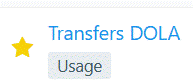
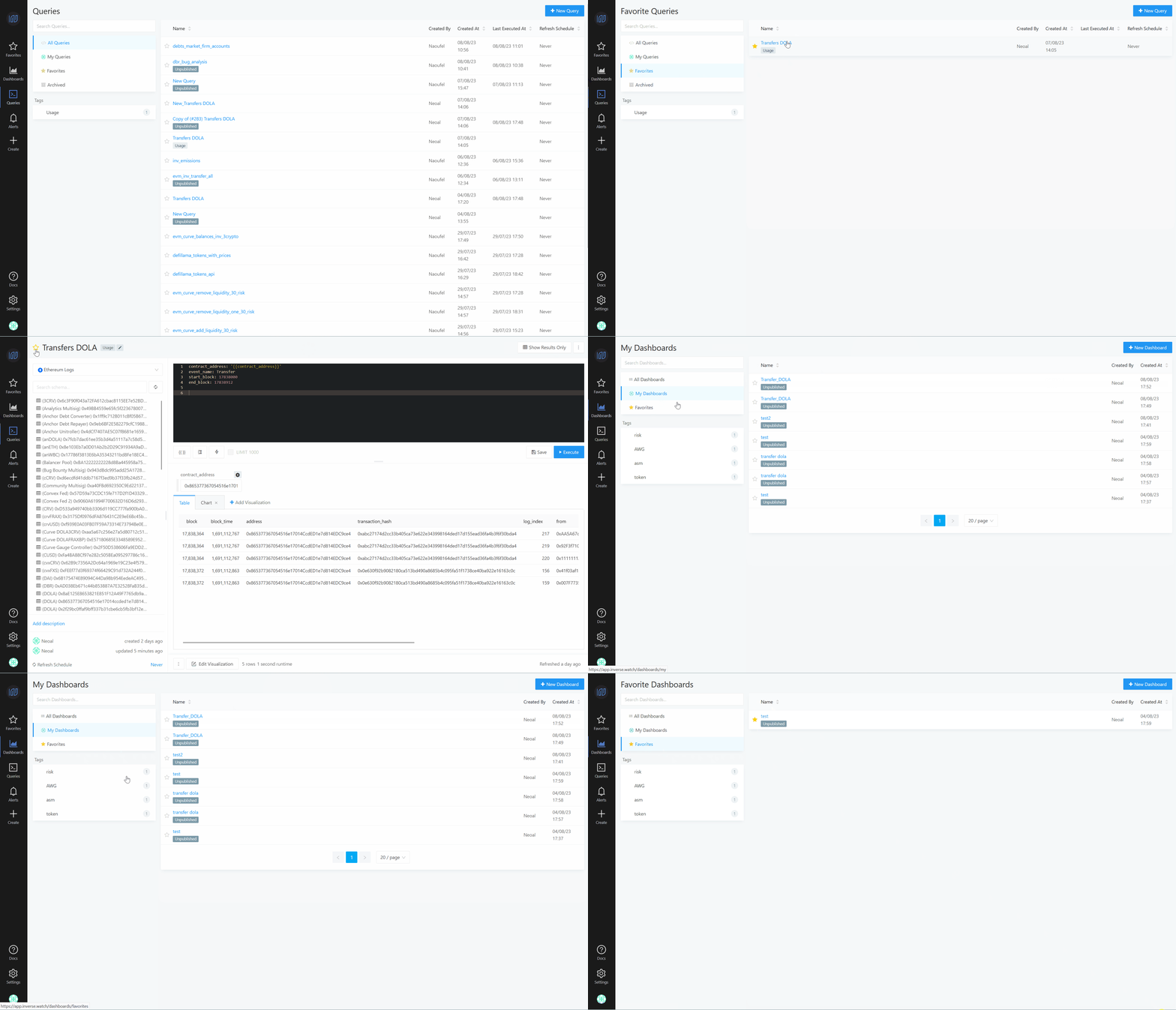
You can favorite a dashboard or query by clicking the star to the left of its title anywhere in the application. The star will turn yellow to indicate success. Your favorites are displayed at several places in the application. They appear on the homepage, in the navbar dropdown menus and as filters in the query or dashboard list views.
Favorites
### 2. Tagging
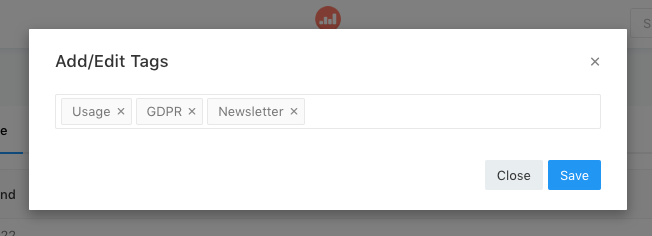
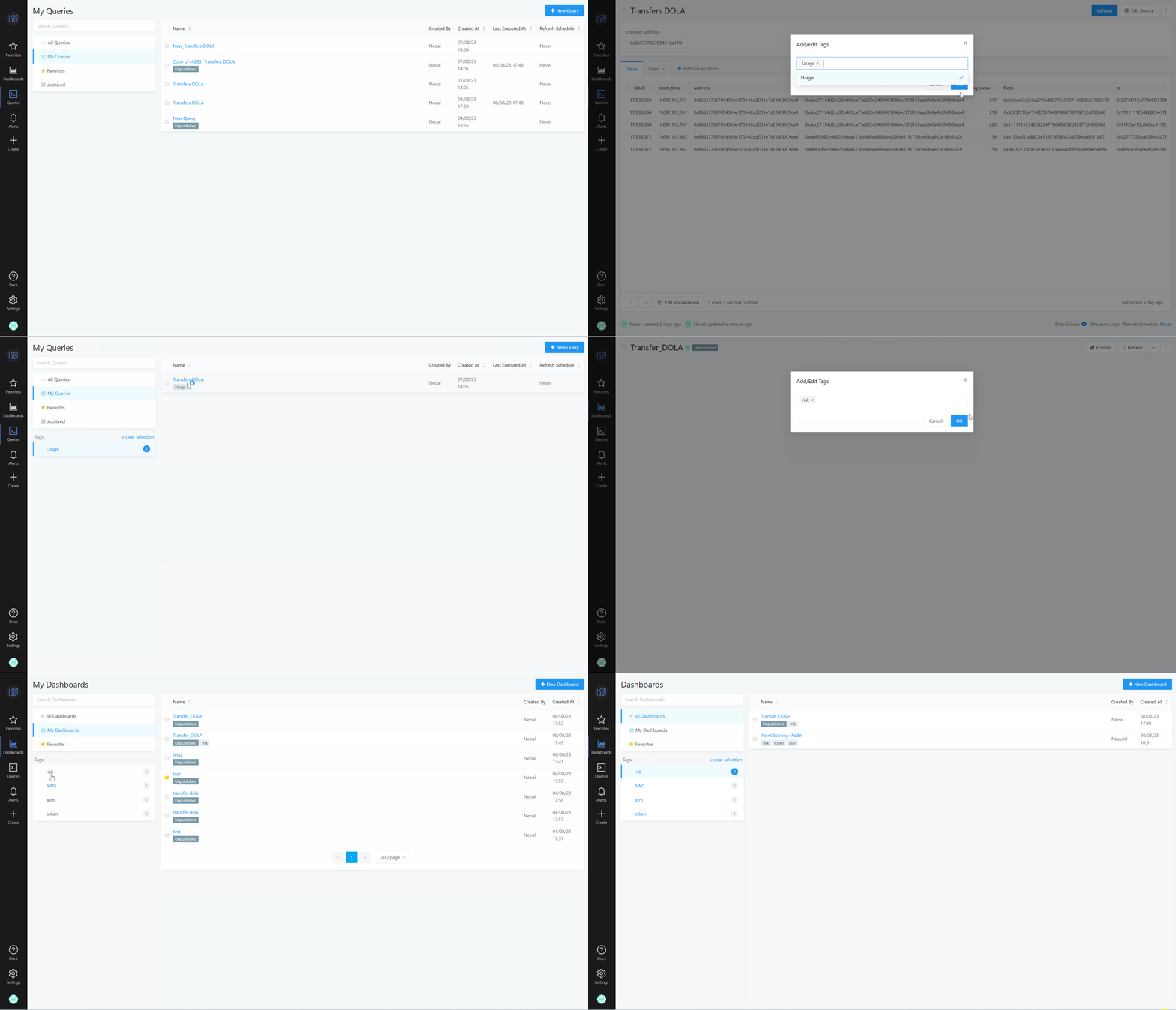
You can tag queries and queries by subject matter, location, user or any parameter that is meaningful to your organization. Tags are added from the query editor or the dashboard editor. Hover your mouse on the query or dashboard title and an `+Add Tag` button will appear. In the modal that appears you can select as many tags as you need. The modal will suggest previously-used tags as you type. Hit `Save` when you’re finished or `Esc` to abort tagging.
{% hint style="info" %}
It’s important to have predictable taxonomy for your tags. Consistency in this area makes using the application an even nicer experience and helps bring new users onboard. So we recommend that your team have an internal discussion about the tag hierarchy that will be most beneficial to your organization.
{% endhint %}
Tagging
Your tags will appear on the Dashboard and Query list views on the righthand side. You can filter the by tag by cliking on the desire tag on the tag section. Click a second time to remove the filter. `Shift + Click` to select multiple filters
tagging
###
---
# Agent Instructions
This documentation is published with GitBook. GitBook is the documentation platform designed so that both humans and AI agents can read, navigate, and reason over technical content effectively. Learn more at gitbook.com.
## Querying This Documentation
If you need additional information that is not directly available in this page, you can query the documentation dynamically by asking a question.
Perform an HTTP GET request on the current page URL with the `ask` query parameter, and the optional `goal` query parameter:
```
GET https://docs.inverse.watch/user-guide/queries/favorites-and-tagging.md?ask=&goal=
```
`ask` is the immediate question: it should be specific, self-contained, and written in natural language.
`goal` is optional and describes the broader end goal you are ultimately trying to accomplish on behalf of the user. GitBook uses it to tailor the answer towards what is most useful for that goal.
The response will contain a direct answer to the question and relevant excerpts and sources from the documentation.
Use this mechanism when the answer is not explicitly present in the current page, you need clarification or additional context, or you want to retrieve related documentation sections.